
3 months

Product · Engineering · IT Partners · Field Operations
Field Linemen
Modernizing outage restoration workflows for utility field crews
Overview
Field linemen were responsible for logging time, documenting restoration efforts, and tracking outage-related work while operating in challenging field conditions. Unfortunately, the tools supporting these tasks created significant friction. Many linemen spent up to 45 minutes each day waiting for laptops to boot, struggled with unreliable connectivity, and often resorted to paper-based processes that required duplicate data entry later.
Our goal was to create a mobile-first solution that streamlined field documentation, reduced administrative burden, and supported linemen where they worked, without disrupting their primary responsibility of restoring power safely and efficiently.
My Role
Senior Product Designer
Duration
3 months
Team
Product · Engineering · IT Partners · Field Operations
The Challenge
While the work of restoring power was well understood, the supporting systems were inefficient and outdated. Existing workflows required linemen to rely on laptops, manual synchronization processes, and paper notes before information could be entered into company systems.
These inefficiencies created frustration in the field and increased the likelihood of errors and delays.
Customer Pain Points
Up to 45 minutes lost daily waiting for laptops to boot & sync
Unreliable internet connectivity in remote locations
Manual syncing requirements to access or update job information
Duplicate work caused by recording information on paper first
Business Challenges
Improve field efficiency
Reduce administrative overhead
Increase accuracy of outage documentation
Support field crews in low-connectivity environments
Research & Discovery
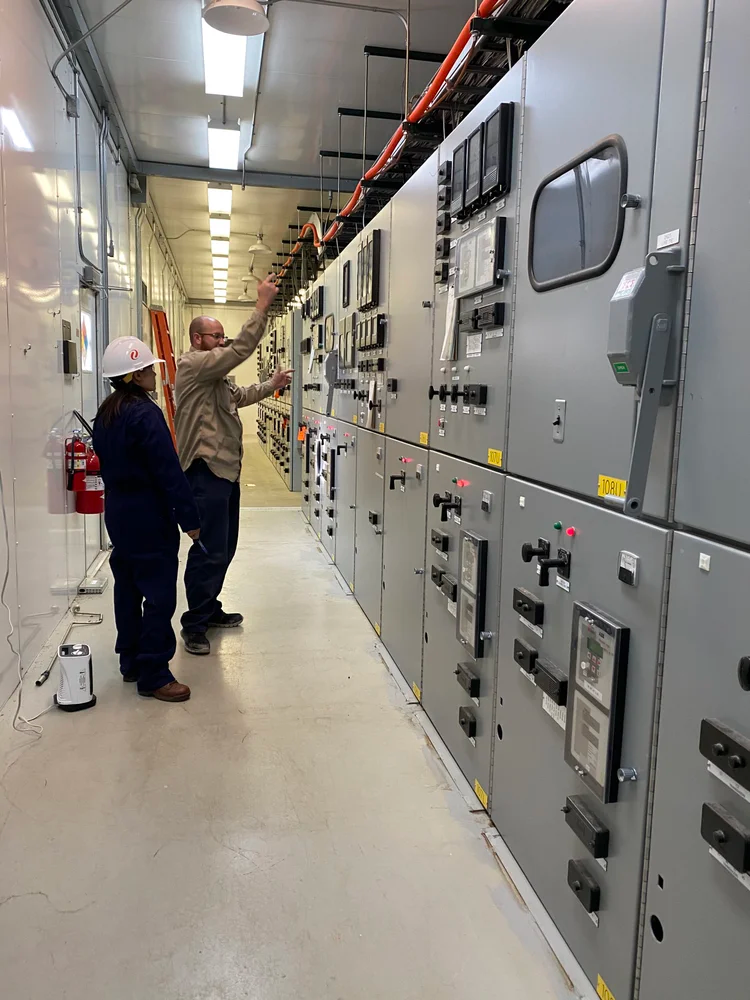
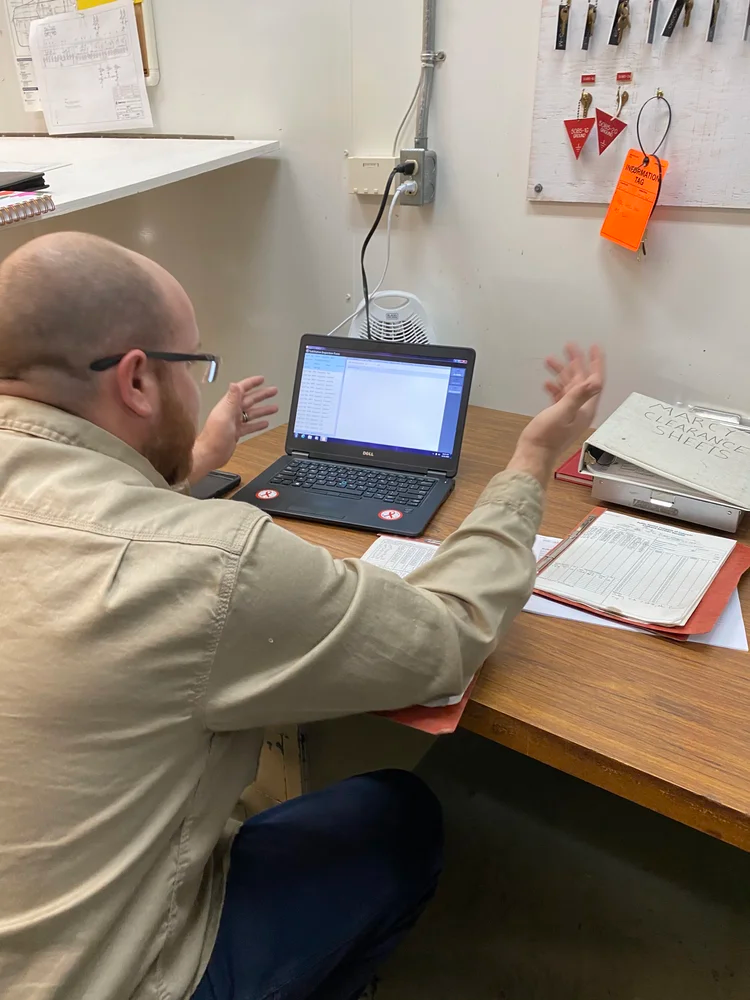
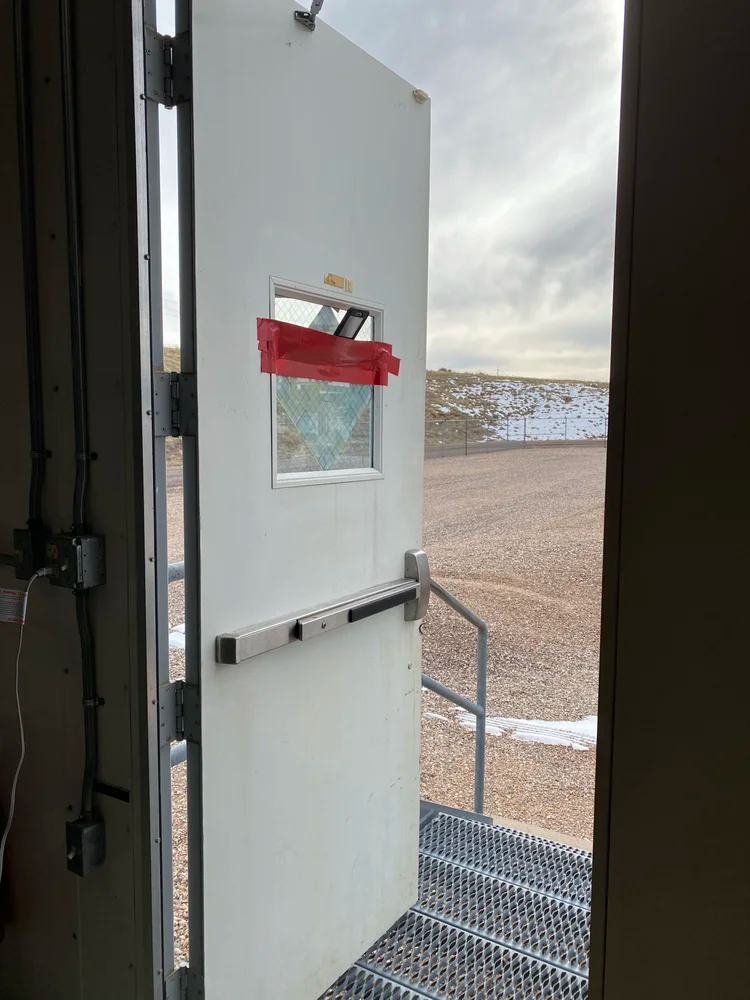
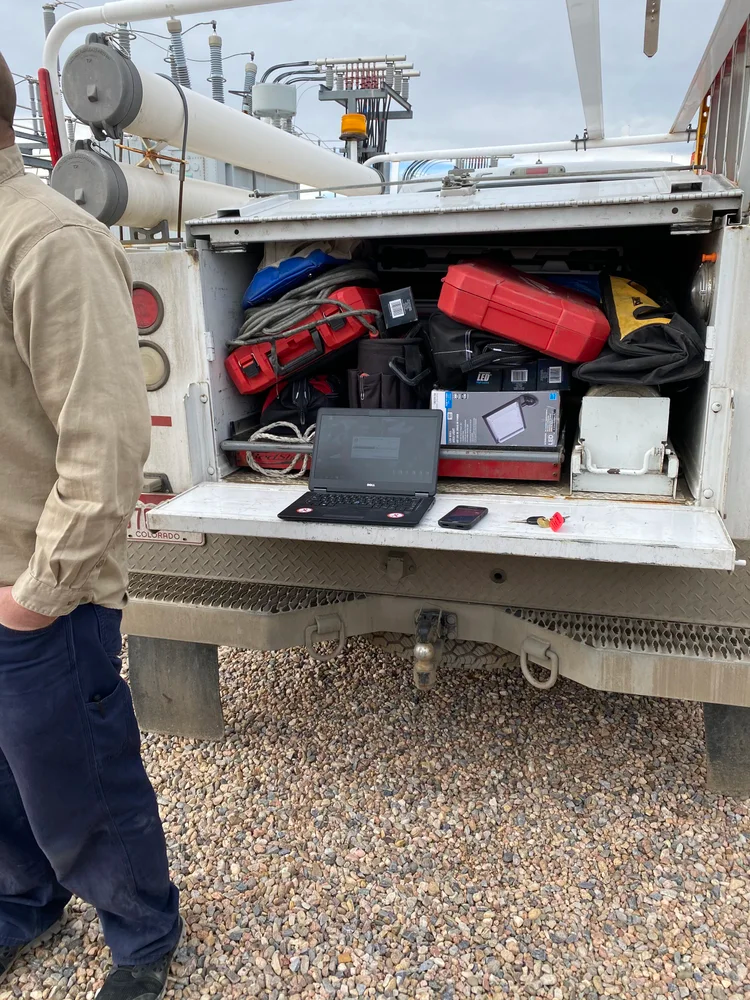
To fully understand the problem space, we conducted field research directly alongside linemen in their working environments. Observing crews in the field provided insights that would have been difficult to uncover through interviews alone.
What became clear was that the work itself wasn't the problem, the systems surrounding it were.
Key Insights
Laptop startup times significantly impacted productivity
Existing software was designed around office workflows rather than field realities
Paper notes and sms texts were commonly used as a workaround for system limitations
My Approach
This project followed a Design Thinking framework, allowing us to deeply understand field realities before jumping into solutions. By bringing linemen, stakeholders, and IT partners together throughout the process, we were able to align on the problem, generate ideas collaboratively, and validate solutions with the people who would ultimately use them.
1
Empathize
I conducted field research alongside linemen to observe outage restoration workflows in real-world conditions. These observations uncovered friction points that were difficult to identify through interviews alone, including connectivity challenges, duplicate workflows, and inefficient laptop-dependent processes.
2
Define
I synthesized research findings into key opportunity areas and aligned stakeholders around a shared understanding of the problem. This helped shift conversations away from assumptions and toward the actual needs of field crews.
3
Ideate
I facilitated collaborative Design Thinking workshops using activities such as Crazy 8's, workflow mapping, and group sketching. Bringing together linemen, IT partners, and business stakeholders encouraged diverse perspectives and generated innovative solutions grounded in real-world needs.
4
Prototype & Test
I worked with the UX Architect to translate concepts into wireframes and interactive prototypes. Designs were tested directly with field crews, allowing us to validate assumptions, gather feedback, and iterate quickly before development.
5
Implement
I partnered closely with Engineering throughout implementation, refining designs through sprint cycles and ensuring the final experience remained aligned with user needs and operational constraints.
Key Decisions & Tradeoffs
Replacing Laptop-First Workflows
Existing processes were built around desktop software and truck-based laptops.
Decision
Shift critical tasks to a mobile-first experience that could be accessed quickly and easily on the job site.
Designing for Limited Connectivity
Field crews frequently worked in environments where reliable internet access was unavailable.
Decision
Prioritize workflows that minimized connectivity dependencies and supported work completion in the field.
The Solution
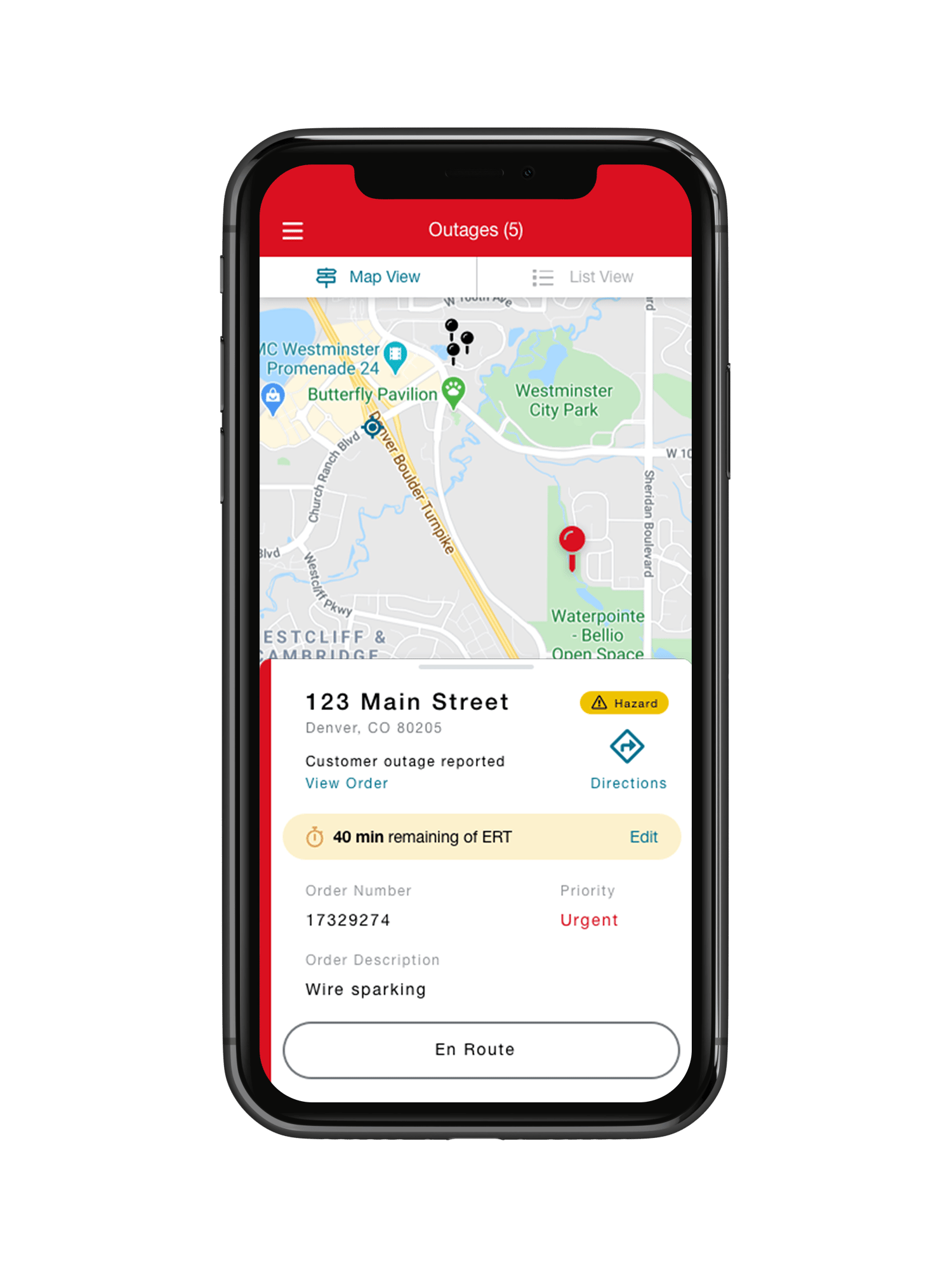
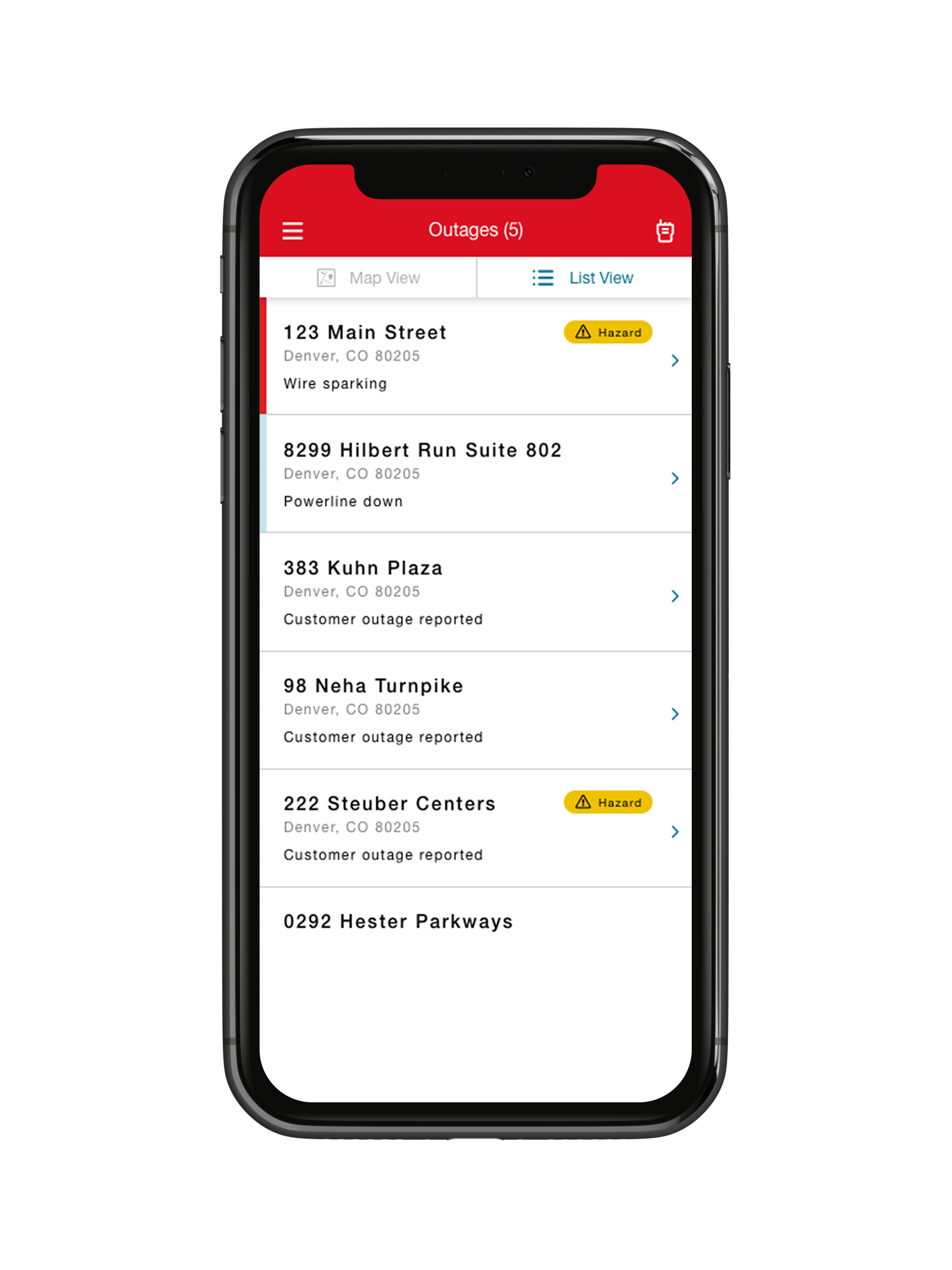
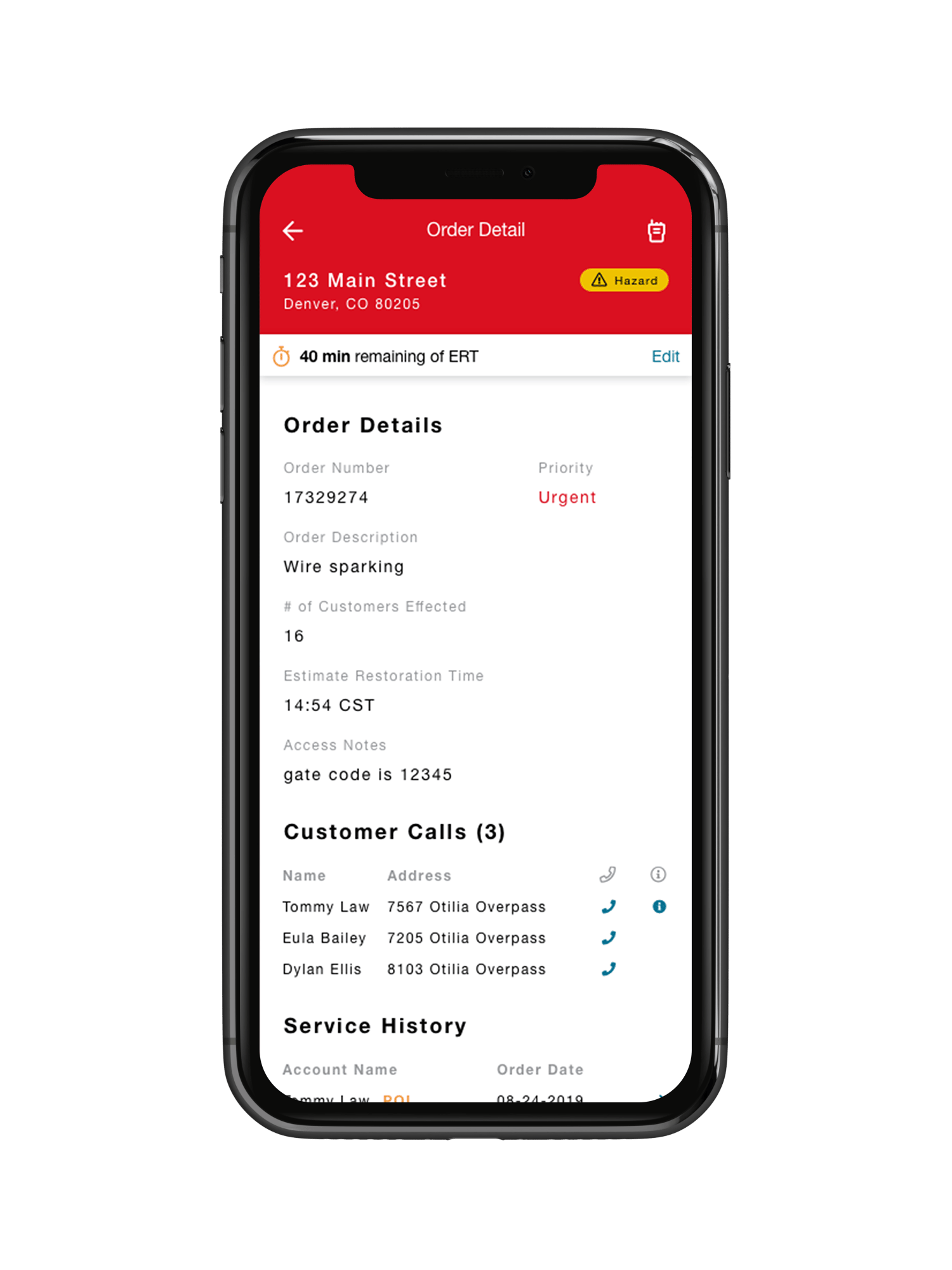
We designed a mobile-first outage restoration experience that allowed linemen to quickly access work orders, document restoration efforts, and manage tasks directly from the field.
The solution reduced reliance on laptops, eliminated redundant workflows, and supported the realities of field operations.
Experience Highlights
Map-Based Work Management
Enabled crews to quickly identify outage locations and navigate work assignments.
Mobile Documentation
Simplified time tracking and restoration reporting directly from the field.
Streamlined Task Management
Helped crews focus on restoring power instead of managing administrative processes.
Impact & Results
Field-First Experience
Designed specifically around real-world lineman workflows
Reduced Administrative Burden
Eliminated unnecessary duplicate documentation
Faster Access to Information
Removed dependency on lengthy laptop startup processes
Improved Workflow Efficiency
Allowed crews to spend more time restoring power and less time entering data
Key Learnings
1
Context Matters. The best solutions came from observing users in their actual work environment rather than relying solely on interviews.
2
Design Around Reality. Successful field tools must accommodate connectivity constraints, environmental conditions, and time-sensitive workflows.
3
Collaboration Creates Better Outcomes. Bringing end users directly into the ideation process led to stronger solutions and greater stakeholder alignment.


© 2026 All rights reserved.
Back to Home
3 months
Product · Engineering · IT Partners · Field Operations
Field Linemen
Modernizing outage restoration workflows for utility field crews
Overview
Field linemen were responsible for logging time, documenting restoration efforts, and tracking outage-related work while operating in challenging field conditions. Unfortunately, the tools supporting these tasks created significant friction. Many linemen spent up to 45 minutes each day waiting for laptops to boot, struggled with unreliable connectivity, and often resorted to paper-based processes that required duplicate data entry later.
Our goal was to create a mobile-first solution that streamlined field documentation, reduced administrative burden, and supported linemen where they worked, without disrupting their primary responsibility of restoring power safely and efficiently.
My Role
Senior Product Designer
Duration
3 months
Team
Product · Engineering ·
IT Partners · Field Operations
The Challenge
While the work of restoring power was well understood, the supporting systems were inefficient and outdated. Existing workflows required linemen to rely on laptops, manual synchronization processes, and paper notes before information could be entered into company systems.
These inefficiencies created frustration in the field and increased the likelihood of errors and delays.
Customer Pain Points
Up to 45 minutes lost daily waiting for laptops to boot & sync
Unreliable internet connectivity in remote locations
Manual syncing requirements to access or update job information
Duplicate work caused by recording information on paper first
Business Challenges
Improve field efficiency
Reduce administrative overhead
Increase accuracy of outage documentation
Support field crews in low-connectivity environments
Research & Discovery
To fully understand the problem space, we conducted field research directly alongside linemen in their working environments. Observing crews in the field provided insights that would have been difficult to uncover through interviews alone.
What became clear was that the work itself wasn't the problem, the systems surrounding it were.
Key Insights
Laptop startup times significantly impacted productivity
Existing software was designed around office workflows rather than field realities
Paper notes and sms texts were commonly used as a workaround for system limitations
My Approach
This project followed a Design Thinking framework, allowing us to deeply understand field realities before jumping into solutions. By bringing linemen, stakeholders, and IT partners together throughout the process, we were able to align on the problem, generate ideas collaboratively, and validate solutions with the people who would ultimately use them.
1
Empathize
I conducted field research alongside linemen to observe outage restoration workflows in real-world conditions. These observations uncovered friction points that were difficult to identify through interviews alone, including connectivity challenges, duplicate workflows, and inefficient laptop-dependent processes.
2
Define
I synthesized research findings into key opportunity areas and aligned stakeholders around a shared understanding of the problem. This helped shift conversations away from assumptions and toward the actual needs of field crews.
3
Ideate
I facilitated collaborative Design Thinking workshops using activities such as Crazy 8's, workflow mapping, and group sketching. Bringing together linemen, IT partners, and business stakeholders encouraged diverse perspectives and generated innovative solutions grounded in real-world needs.
4
Prototype & Test
I worked with the UX Architect to translate concepts into wireframes and interactive prototypes. Designs were tested directly with field crews, allowing us to validate assumptions, gather feedback, and iterate quickly before development.
5
Implement
I partnered closely with Engineering throughout implementation, refining designs through sprint cycles and ensuring the final experience remained aligned with user needs and operational constraints.
Key Decisions & Tradeoffs
Replacing Laptop-First Workflows
Existing processes were built around desktop software and truck-based laptops.
Decision
Shift critical tasks to a mobile-first experience that could be accessed quickly and easily on the job site.
Designing for Limited Connectivity
Field crews frequently worked in environments where reliable internet access was unavailable.
Decision
Prioritize workflows that minimized connectivity dependencies and supported work completion in the field.
The Solution
We designed a mobile-first outage restoration experience that allowed linemen to quickly access work orders, document restoration efforts, and manage tasks directly from the field.
The solution reduced reliance on laptops, eliminated redundant workflows, and supported the realities of field operations.
Experience Highlights
Map-Based Work Management
Enabled crews to quickly identify outage locations and navigate work assignments.
Mobile Documentation
Simplified time tracking and restoration reporting directly from the field.
Streamlined Task Management
Helped crews focus on restoring power instead of managing administrative processes.
Impact & Results
Field-First Experience
Designed specifically around real-world lineman workflows
Reduced Administrative Burden
Eliminated unnecessary duplicate documentation
Faster Access to Information
Removed dependency on lengthy laptop startup processes
Improved Workflow Efficiency
Allowed crews to spend more time restoring power and less time entering data
Key Learnings
1
Context Matters. The best solutions came from observing users in their actual work environment rather than relying solely on interviews.
2
Design Around Reality. Successful field tools must accommodate connectivity constraints, environmental conditions, and time-sensitive workflows.
3
Collaboration Creates Better Outcomes. Bringing end users directly into the ideation process led to stronger solutions and greater stakeholder alignment.
© 2026 All rights reserved.
Back to Home